Sleep Hygiene: Why a Good Night's Sleep Matters More Than You Think

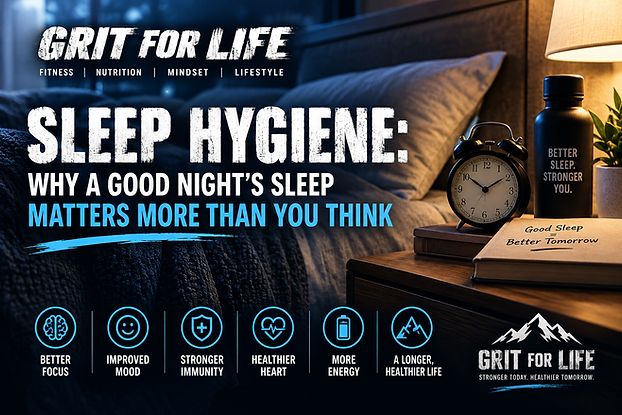
In today's fast-paced world, sleep is often the first thing we sacrifice when life gets busy. Many people wear sleepless nights as a badge of honor, believing they can simply "catch up" later. However, quality sleep is not a luxury. It is a necessity for physical health, mental well-being, and overall quality of life.
Understanding the importance of sleep hygiene and developing healthy sleep habits can significantly improve your health and help prevent serious long-term consequences.
What Is Sleep Hygiene?
Sleep hygiene refers to the habits, behaviors, and environmental factors that help promote consistent, uninterrupted, and restorative sleep. Good sleep hygiene includes maintaining a regular sleep schedule, creating a comfortable sleeping environment, limiting caffeine and screen time before bed, and establishing relaxing bedtime routines.
The goal is simple: to help your body and mind get the high-quality rest they need to function at their best.
Why Quality Sleep Is Essential
Sleep is much more than a period of rest. While we sleep, the body performs critical maintenance and recovery functions.
During sleep:
The brain processes and stores memories.
Muscles repair and recover.
The immune system strengthens its defenses.
Hormones that regulate growth, appetite, and stress are balanced.
The cardiovascular system gets an opportunity to recover from daily demands.
Adults generally need between seven and nine hours of quality sleep each night to maintain optimal health and performance.
The Immediate Effects of Poor Sleep
Even a single night of insufficient sleep can have noticeable consequences. Common short-term effects include:
Reduced Concentration and Focus
Sleep deprivation impairs attention, decision-making, and problem-solving abilities. Tasks that normally seem simple can become significantly more difficult.
Mood Changes
Lack of sleep often leads to irritability, anxiety, frustration, and emotional instability. People who are sleep-deprived are more likely to experience stress and struggle with emotional regulation.
Lower Productivity
Fatigue slows reaction times and reduces overall performance at work, school, and home. Mistakes become more frequent, and motivation tends to decline.
Increased Risk of Accidents
Whether driving a vehicle, operating machinery, or performing routine activities, sleep deprivation increases the likelihood of accidents due to slower reaction times and impaired judgment.
The Long-Term Consequences of Chronic Sleep Deprivation
While occasional poor sleep happens to everyone, consistently failing to get enough quality sleep can lead to serious health problems.
Increased Risk of Heart Disease
Research has shown a strong connection between chronic sleep deprivation and cardiovascular conditions, including high blood pressure, heart attacks, and stroke. The body remains in a heightened state of stress, placing additional strain on the heart and blood vessels.
Weakened Immune Function
People who regularly get inadequate sleep are often more susceptible to infections, illnesses, and slower recovery times. The immune system relies on quality sleep to function effectively.
Weight Gain and Metabolic Disorders
Poor sleep disrupts hormones that regulate hunger and satiety. This can lead to increased cravings, overeating, and a higher risk of obesity. Sleep deprivation is also associated with insulin resistance and an increased risk of developing Type 2 diabetes.
Declining Mental Health
Long-term sleep issues have been linked to depression, anxiety disorders, and increased emotional distress. In many cases, poor sleep and mental health problems create a cycle that can be difficult to break.
Cognitive Decline
Consistent sleep deprivation may negatively affect memory, learning ability, and cognitive performance over time. Emerging research suggests that poor sleep may also increase the risk of age-related cognitive decline and neurodegenerative diseases.
Reduced Life Expectancy
Chronic sleep deficiency contributes to multiple health conditions that collectively increase the risk of premature mortality. Simply put, regularly neglecting sleep can shorten both lifespan and quality of life.
Simple Tips for Better Sleep Hygiene
Improving sleep hygiene does not require dramatic lifestyle changes. Small, consistent adjustments can make a significant difference.
Consider these healthy sleep practices:
Go to bed and wake up at the same time every day.
Keep your bedroom cool, dark, and quiet.
Avoid caffeine, nicotine, and large meals close to bedtime.
Limit screen exposure at least one hour before sleep.
Engage in relaxing activities such as reading, meditation, or gentle stretching before bed.
Exercise regularly, but avoid intense workouts late in the evening.
Reserve your bed for sleep rather than work or entertainment.
Final Thoughts
Sleep is one of the most powerful tools available for improving health, performance, and overall well-being. Yet it remains one of the most overlooked aspects of modern life.
Good sleep hygiene is not just about getting more sleep. It is about getting better sleep. By prioritizing healthy sleep habits today, you can experience improved energy, greater focus, stronger immunity, better emotional health, and a reduced risk of serious long-term health conditions.
Remember: investing in quality sleep is investing in your future health. A good night's rest is not a luxury. It is one of the foundations of a healthy and fulfilling life.


Comments