Transform Your Life: Essential Tips from a Personal Trainer and Nutrition Coach
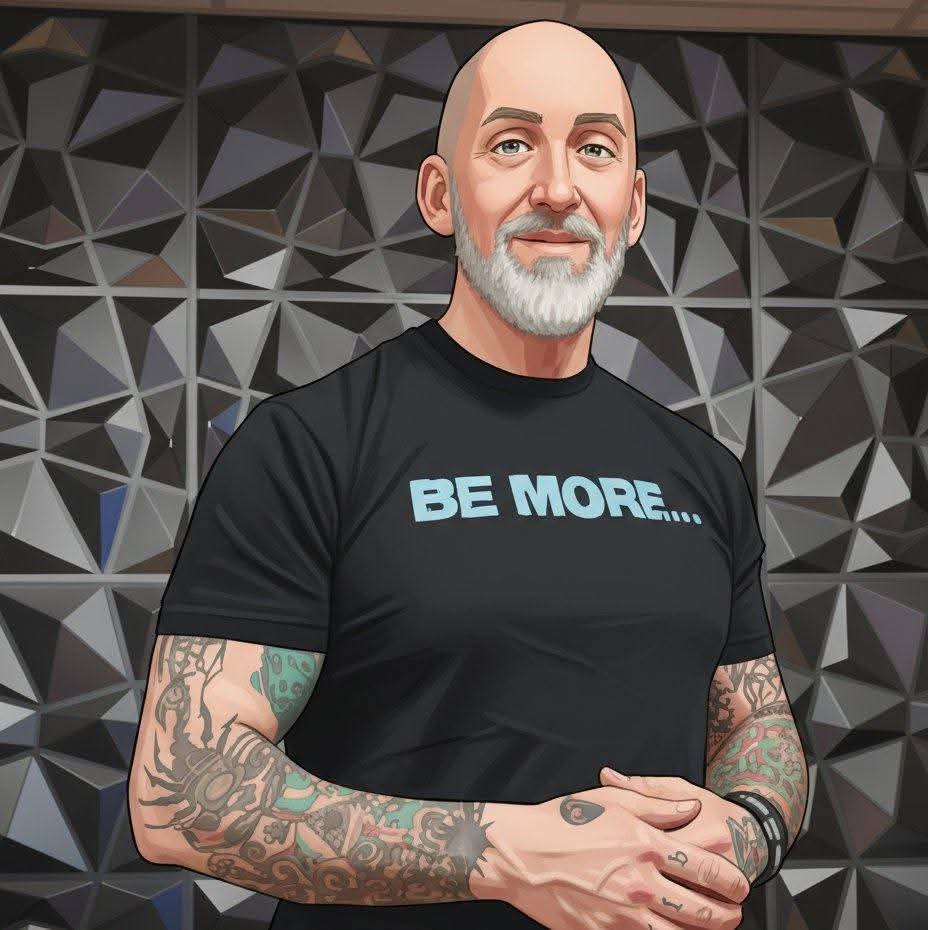
Changing your lifestyle can feel overwhelming, but small, consistent steps lead to lasting results. As a personal trainer and nutrition coach, I’ve seen how combining smart exercise habits with balanced nutrition transforms not only bodies but also confidence and energy levels. This post shares practical advice to help you start your journey toward a healthier, stronger life.

Build a Sustainable Exercise Routine
Many people start exercising with high intensity but quickly burn out. The key is to create a routine that fits your lifestyle and keeps you motivated.
Start with realistic goals
Instead of aiming to work out every day, begin with 2-3 sessions per week. This helps your body adapt and reduces the risk of injury.
Mix different types of exercise
Combine strength training, cardio, and flexibility exercises. For example, alternate weightlifting days with brisk walking or yoga. This variety improves overall fitness and keeps workouts interesting.
Focus on form and technique
Proper form prevents injuries and makes your workouts more effective. If you’re unsure, consider a few sessions with a trainer to learn the basics.
Schedule workouts like appointments
Treat exercise as a non-negotiable part of your day. Set reminders and plan your week ahead to avoid skipping sessions.
Track your progress
Keep a workout journal or use an app to record exercises, weights, and reps. Seeing improvements over time boosts motivation.
Prioritize Balanced Nutrition
Exercise alone won’t transform your body without proper nutrition. Eating well fuels your workouts and supports recovery.
Focus on whole foods
Choose fresh vegetables, fruits, lean proteins, whole grains, and healthy fats. These provide essential nutrients and keep you full longer.
Control portion sizes
Eating the right amount helps maintain energy balance. Use smaller plates or measure servings to avoid overeating.
Stay hydrated
Drinking enough water supports metabolism and muscle function. Aim for at least 8 cups a day, more if you exercise intensely.
Limit processed foods and added sugars
These often contain empty calories and can cause energy crashes. Swap sugary snacks for nuts, yogurt, or fruit.
Plan meals and snacks
Preparing food in advance reduces the temptation to grab unhealthy options. Include protein and fiber in every meal to stabilize blood sugar.
Manage Stress and Sleep
Physical health depends on more than just diet and exercise. Stress and poor sleep can sabotage your progress.
Practice relaxation techniques
Activities like deep breathing, meditation, or gentle stretching help lower stress hormones that interfere with fat loss and muscle gain.
Create a consistent sleep schedule
Aim for 7-9 hours of quality sleep each night. Go to bed and wake up at the same time daily to regulate your body clock.
Limit screen time before bed
Blue light from phones and computers disrupts melatonin production. Try reading a book or listening to calming music instead.
Avoid caffeine and heavy meals late in the day
These can interfere with falling asleep and reduce sleep quality.
Stay Accountable and Find Support
Changing habits is easier when you have encouragement and accountability.
Set clear, measurable goals
Instead of vague aims like “get fit,” try “walk 10,000 steps five days a week” or “increase squat weight by 10 pounds in two months.”
Share your goals with friends or family
They can offer support and check in on your progress.
Join a group or class
Exercising with others creates motivation and makes workouts more enjoyable.
Celebrate small wins
Recognize improvements, whether it’s lifting heavier weights or choosing a healthy snack. Positive reinforcement keeps you moving forward.
Adjust and Listen to Your Body
Your body changes as you progress, so your plan should too.
Increase intensity gradually
Add more weight, reps, or time to your workouts as you get stronger.
Rest when needed
Overtraining leads to fatigue and injury. Take rest days or lighter sessions to recover.
Modify nutrition based on activity
On more active days, increase carbohydrates for energy. On rest days, focus on protein and healthy fats.
Pay attention to hunger and fullness cues
Eat when you’re hungry and stop when satisfied, not stuffed.
Practical Example: A Day of Balanced Living
Morning: Start with a glass of water and a breakfast of oatmeal topped with berries and a spoonful of almond butter.
Mid-morning: Take a brisk 20-minute walk or do bodyweight exercises like squats and push-ups.
Lunch: Grilled chicken salad with mixed greens, cherry tomatoes, avocado, and olive oil dressing.
Afternoon snack: Greek yogurt with a handful of nuts.
Evening workout: Strength training focusing on major muscle groups, followed by stretching.
Dinner: Baked salmon, quinoa, and steamed broccoli.
Before bed: Unwind with deep breathing exercises and a cup of herbal tea.
This routine balances movement, nutrition, and recovery, making it easier to maintain long term.


Comments